Best Day Hiking Gear for Beginners: What to Buy First (and What to Skip)
Your first day hike usually fails for one boring reason: sore feet, bad weather surprises, thirst, or getting lost—not because you forgot a niche gadget. This guide ranks gear by what matters first, what can wait, and what you can skip entirely.
Why “buy in order” beats “buy everything”
Day hikes last from a few hours to most of a day. The goal isn’t to look equipped—it’s to move comfortably, stay in a safe temperature range, hydrate, and navigate. Spend money where it removes those failure modes.
Buy first: the highest-value basics
1. Properly fitted hiking shoes (or trail runners)
- Why it’s #1: Blisters, hot spots, and rolled ankles end hikes fast.
- What to look for: Try shoes later in the day when feet swell; for most day hikes you don’t need heavy mountaineering boots—traction, support, and comfort beat marketing labels; break them in on short walks before a big day.
- Reality check: Your first pair should be “comfortable + grippy,” not “perfect forever.”
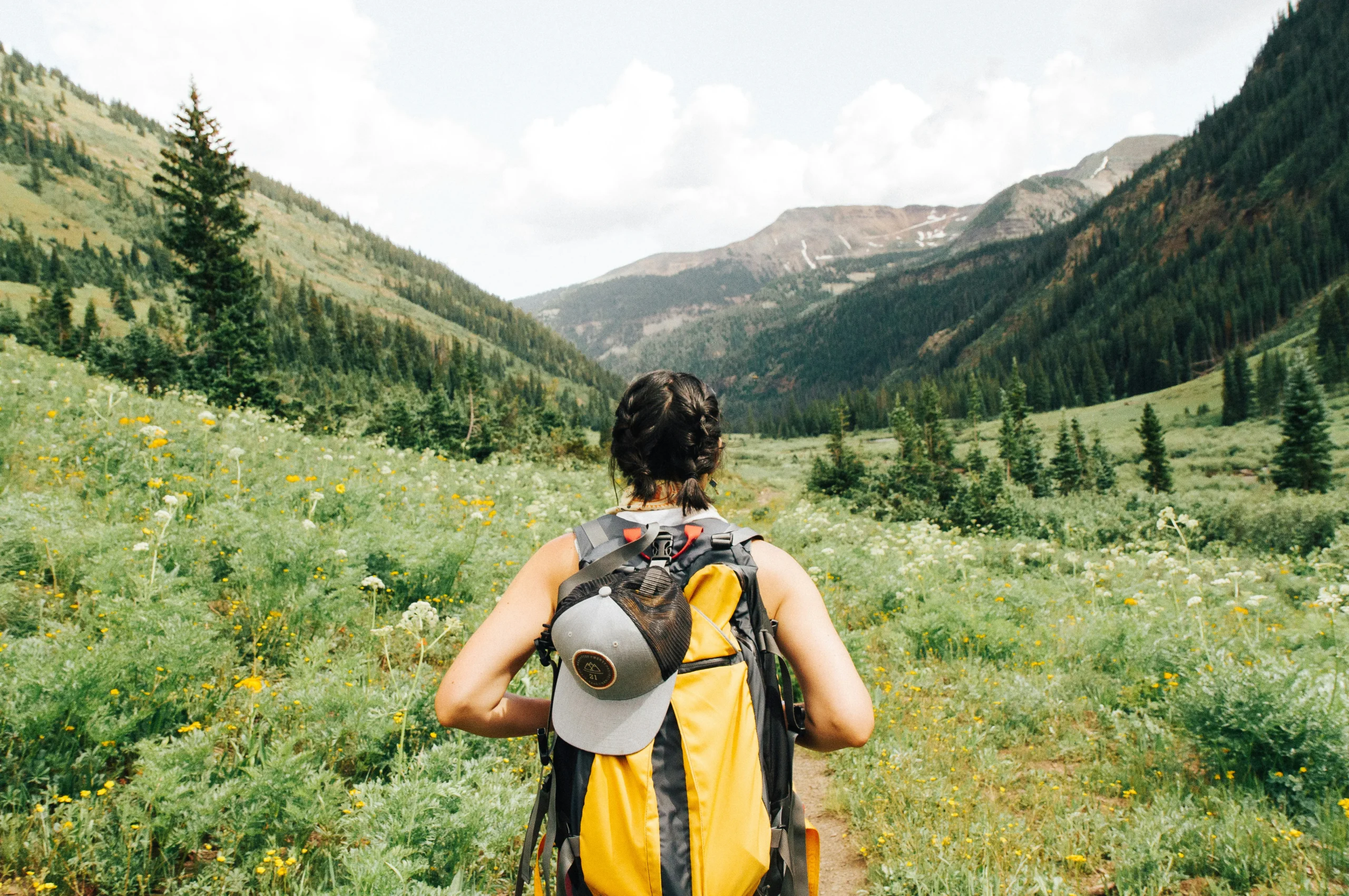
2. A daypack with a real harness (about 20–35L)
- Why it matters: Hipbelt + sternum strap + padded shoulder straps move weight to your hips—your shoulders will notice.
- What goes inside: Water, snacks, a wind/water-resistant shell, headlamp, simple first-aid, phone + battery—the pack is the system; fit beats brand.
3. Layering (base + mid + shell), not one bulky jacket
- Base layer: Moisture-wicking synthetic or wool—avoid cotton staying wet against skin.
- Mid layer (season-dependent): Fleece or light puffy for breaks and cool descents.
- Shell: Wind jacket or lightweight waterproof—handles sudden wind/showers better than one thick coat you can’t adjust.
- Common beginner mistake: Wearing one giant insulated piece all day—overheat while moving, chill when you stop.
4. Water strategy: amount matters more than bottle branding
- Needs vary by heat, effort, and availability of refills—carry a comfortable buffer on remote routes.
- Bottle vs hydration bladder: pick what you’ll actually drink from; consider filter or chemical treatment only if your route depends on natural water (and it’s allowed).
5. Navigation + safety basics: phone-first, plus backup power
- Offline maps and a saved route are baseline for many trail systems.
- Headlamp: Seasonal short days, “we’ll be down by sunset” plans, and unexpected delays make this cheap insurance.
- Simple first-aid: Blister care, gauze + tape, personal meds—build for common trail problems, not a hospital cart.
Buy later: useful, but not usually “first purchase”
- Trekking poles: Great for long descents or cranky knees—borrow a pair before committing.
- Premium hardshell pants: Rainy/bushy routes justify upgrades; early on, quick-dry pants + a rain layer often covers it.
- Camp kitchen kit: For pure day hiking, sandwiches and snacks beat cooking complexity.
- Heavy camera/drone kits: Fine if you accept slower pace and extra weight—after basics are solid.
Skip (or don’t make these your first buys)
- Overbuilt backpacking boots if you’re not carrying heavy loads yet—they can feel stiff and slow for a light daypack.
- Oversized packs (50L+) tempt you to overpack and carry unnecessary weight.
- Trendy “one jacket solves everything” claims: Layering still wins on comfort and adjustability.
- Full tactical/cosplay kits unless you genuinely need the features—often hotter and heavier than they’re worth.
Quick seasonal packing logic
Spring/fall (swing temps)
Wicking base + fleece/light puffy + wind/water shell; hat/light gloves as needed; hydration and headlamp still baseline.
Summer
Breathable layers, sun hat/UPF sleeves, more water/electrolytes; heat illness risk can outweigh hypothermia risk.
Winter (before snow-travel skills)
Warmer midlayer, wind shell, good gloves/neck coverage; add traction aids when ice is real, not “just in case influencer spikes.”
A simple purchase order if budget is tight
- Shoes that fit + grip (broken in)
- A comfortable daypack
- Layering + a light shell
- Hydration plan
- Offline navigation + headlamp + small first-aid
Add everything else after a few hikes when you know your body, terrain, and local weather patterns.
FAQ
Do I need a hardshell rain jacket?
You need wind protection and short bursts of rain coverage; the exact jacket type depends on climate and exposure.
Are trekking poles mandatory?
No. They’re optional upgrades—try them on knee-heavy routes first.
What should I budget first?
Prioritize fit-tested footwear and pack comfort; upgrade specialty items when your trails demand them.